This is just a Vaccination system
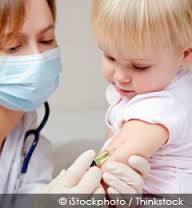
This is a infant vaccination system, so you can see child health tips.
This is a infant vaccination system.
You can uses all the services.

How Vaccines Prevent Diseases The diseases that vaccines prevent can be dangerous, or even deadly. Vaccines reduce the risk of infection by working with the body's natural defenses to help it safely develop immunity to disease. When germs, such as bacteria or viruses, invade the body, they attack and multiply. This invasion is called an infection, and the infection is what causes illness. The immune system then has to fight the infection. Once it fights off the infection, the body is left with a supply of cells that help recognize and fight that disease in the future. Vaccines help develop immunity by imitating an infection, but this "imitation" infection does not cause illness. It does, however, cause the immune system to develop the same response as it does to a real infection so the body can recognize and fight the vaccine-preventable disease in the future. Sometimes, after getting a vaccine, the imitation infection can cause minor symptoms, such as fever. Such minor symptoms are normal and should be expected as the body builds immunity. As children get older, they require additional doses of some vaccines for best protection. Older kids also need to be protected against additional diseases they may encounter. Learn more about vaccines for your pre-teens and teens. Read more about how vaccines work. Learn about diseases and the vaccines that prevent them, including the most common side effects associated with each one. Vaccines and Your Child's Immune System
We Have More services for You
You can use all the services for care of your child .

-
This is a Vaccination and Injection services.
-
Providing Vaccination Chart,Vaccination Schedule And All Vaccination Detail Available in The system.
-
Providing Following Facilities: Send Vaccination Notification By Mail To Parents.
Parents Send any Massage Or Complained To Docter.
Docter Time-To-Time Provide All Information Of Per Vaccination To Parents.
-
Provide Some Child Diseases Treatment And Management.
-
Providing Some Docter And Hospital Contacts.
-
Provide all Tips for your Child Haelth Care.
-
Providing All Vaccination Detail.You Can Easily Access All Information For Free.


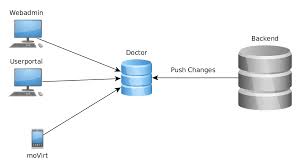
Vaccines and Your Child's Immune System:
Have specific questions about immunizing your infant? See FAQs about Infant Immunization.
As a parent, you may get upset or concerned when you watch your baby get 3 or 4 shots during a doctor's visit. But, all of those shots add
up to your baby being protected against 14 infectious diseases. Young babies can get very ill from vaccine-preventable diseases.
The vaccination schedule is designed to protect young children before they are likely to be exposed to potentially serious diseases and
when they are most vulnerable to serious infections.
Although children continue to get several vaccines up to their second birthday, these vaccines do not overload the immune system.
Every day, your healthy baby's immune system successfully fights off millions of antigens-the parts of germs that cause the body's
immune system to respond. The antigens in vaccines come from weakened or killed germs so they cannot cause serious illness. Vaccines
contain only a tiny amount of the antigens that your baby encounters every day, even if your child receives several vaccines in one day.
Combination vaccines take two or more vaccines that could be given individually and put them into one shot. Children get the same
protection as they do from individual vaccines given separately—but with fewer shots. Learn more about combination vaccines.
Vaccine Side Effects/Risks:
Like any medication, vaccines, can cause side effects. The most common side effects are mild. On the other hand, many vaccine-preventable
disease symptoms can be serious, or even deadly. Even though many of these diseases are rare in this country, they still occur around the
world and can be brought into the U.S., putting unvaccinated children at risk.
The side effects associated with getting vaccines are almost always minor (such as redness and swelling where the shot was given) and go
away within a few days. If your child experiences a reaction at the injection site, you can use a cool, wet cloth to reduce redness,
soreness, and swelling.
Serious side effects following vaccination, such as severe allergic reaction, are very rare and doctors and clinic staff are trained to
deal with them. Pay extra attention to your child for a few days after vaccination. If you see something that concerns you, call your
child’s doctor.
Learn about diseases and the vaccines that prevent them, including the most common side effects associated with each one.
Journey of Your Child's Vaccine
Learn in words and pictures about the journey of your child’s vaccine.
Learn how to soothe your child before, during, and after vaccination with these tips for your child’s vaccine visit.
Learn about who should not get vaccinated with certain vaccines.
Understand the risks if you decide not to vaccinate your children.
Learn about MMR vaccine safety.
Vaccine Ingredients:
Vaccines contain ingredients, called antigens, which cause the body to develop immunity. Vaccines also contain very small amounts of other
ingredients--all of which play necessary roles either in making the vaccine, or in ensuring that the vaccine is safe and effective.
These types of ingredients are listed below.
Type of Ingredient Examples Purpose
Preservatives Thimerosal (only in multi-dose vials of flu vaccine)* To prevent contamination
Adjuvants Aluminum salts To help stimulate the body’s response to the antigens
Stabilizers Sugars, gelatin To keep the vaccine potent during transportation and storage
Residual cell culture materials Egg protein To grow enough of the virus or bacteria to make the vaccine
Residual inactivating ingredients Formaldehyde To kill viruses or inactivate toxins during the manufacturing process
Residual antibiotics Neomycin To prevent contamination by bacteria during the vaccine manufacturing process
*Today, the only childhood vaccines used routinely in the United States that contain thimerosal (mercury) are flu vaccines in multi-dose
vials. These vials have very tiny amounts of thimerosal as a preservative. This is necessary because each time an individual dose is drawn
from a multi-dose vial with a new needle and syringe, there is the potential to contaminate the vial with harmful microbes (toxins).
Learn more about thimerosal, mercury, and vaccine safety.
There is no evidence that the small amounts of thimerosal in flu vaccines causes any harm, except for minor reactions like redness and
swelling at the injection site. Although no evidence suggests that there are safety concerns with thimerosal,
vaccine manufacturers have stopped using it as a precautionary measure. Flu vaccines that do not contain thimerosal are available
(in single dose vials).
Ensuring Vaccine Safety:
The United States' long-standing vaccine safety system ensures that vaccines are as safe as possible. In fact, currently, the United States has the safest, most effective vaccine supply in its history.
Safety monitoring begins with the U.S. Food and Drug Administration (FDA), who ensures the safety, effectiveness, and availability
of vaccines for the United States. Before a vaccine is approved by the FDA for use by the public,
results of studies on safety and effectiveness of the vaccine are evaluated by highly trained FDA scientists and doctors.
FDA also inspects the sites where vaccines are made to make sure they follow strict manufacturing guidelines.
Although most common side effects of a vaccine are identified in studies before the vaccine is licensed,
rare adverse events may not be detected in these studies. Therefore, the U.S. vaccine safety system continuously
monitors for possible side effects after a vaccine is licensed. When millions of people receive a vaccine,
less common side effects that were not identified earlier may occur.
If a link is found between a possible side effect and a vaccine, public health officials take appropriate action.
They will weigh the benefits of the vaccine against its risks to determine if recommendations for using the vaccine should change.
Learn more about the U.S. vaccine safety system.
The Vaccine Adverse Event Reporting System (VAERS) is a national system used by scientists at FDA and the Centers for Disease Control and P
revention (CDC) to collect reports of adverse events (possible side effects) that happen after vaccination.